Feed Quality & Safety
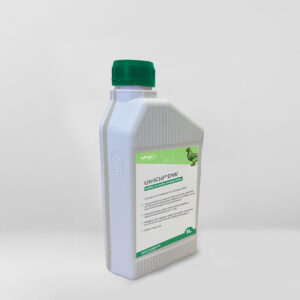
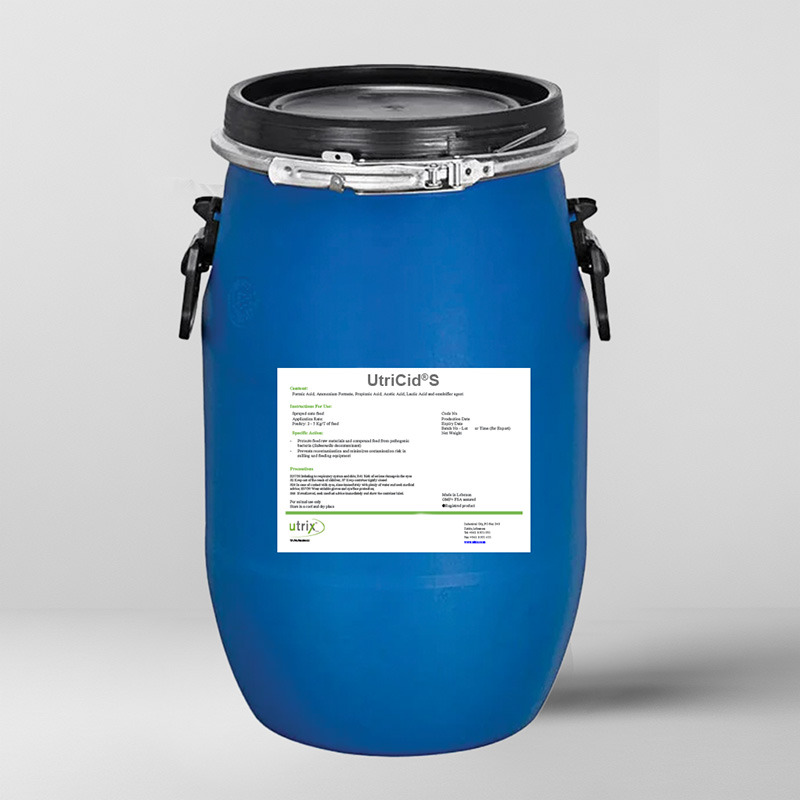
UtriCid®S
Feed hygiene solution for poultry
Microorganisms are ubiquitous and crops and feedstuffs can easily be contaminated by potential pathogens. Feed contamination in layers and broilers can lead to poor health and reduced productivity. In addition, certain potential pathogens can enter the food chain and pose public health concerns. Maintaining feed hygiene is therefore essential to ensuring poultry health, farm productivity, and food safety, from farm to fork. Acidifiers used in feed tackle bacteria by creating a hostile environment for microbial growth. These acidifiers inhibit the proliferation of bacteria, reducing the microbial load in the feed. By controlling bacterial contamination, acidifiers help preserve feed quality, ensuring it remains safe and nutritious throughout storage and feeding, ensuring safe food products for the consumer.

The Challenge
How does UTRIX ensure feed hygiene?



Key Benefits
What UtriCid®S Delivers
Common Questions
Frequently Asked Questions
UtriCid® is a synergistic blend of organic acids (formic, lactic, acetic, and propionic) that lowers feed pH and penetrates bacterial cells in their undissociated form. Inside the cell, acids release protons, disrupting enzymes, DNA, and membrane integrity, leading to cell lysis. It acts in the feed and the gastrointestinal tract, reducing pathogens while supporting the development of beneficial bacteria.
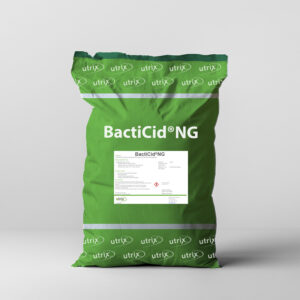
Both products are Salmonella decontaminants and contain the same composition. The only difference is that UtriCid®P is in powder form mixed in feed, and UtriCid®S is in liquid form to be sprayed onto feed.
Both the powder and the liquid products are equally effective. Using liquids allows for an automated application within the mixer, without direct product handling (no PPE required as opposed to the powder). Automated application also ensures excellent distribution and mixing of the product within the feed when using the correct equipment.